

Solar panels – at a glance
- A typical domestic solar PV system is around 3.5 kWp and costs around £6,100 (installed) – costs vary by system size and roof complexity. [1]
- A 3.5 kWp system typically uses six to 12 panels and covers around 10–20 m² of roof area (depending on panel rating and layout). [1]
- If you export unused electricity, you may be paid through the Smart Export Guarantee (SEG), which launched on 1 January 2020. [2]
- Solar panels are often permitted development, but there are limits and exceptions – always check if you’re unsure. [3]
Sources:
- [1] Energy Saving Trust – Solar panels
- [2] Ofgem – Smart Export Guarantee (SEG)
- [3] Planning Portal – Solar panels: planning permission
How solar panels work
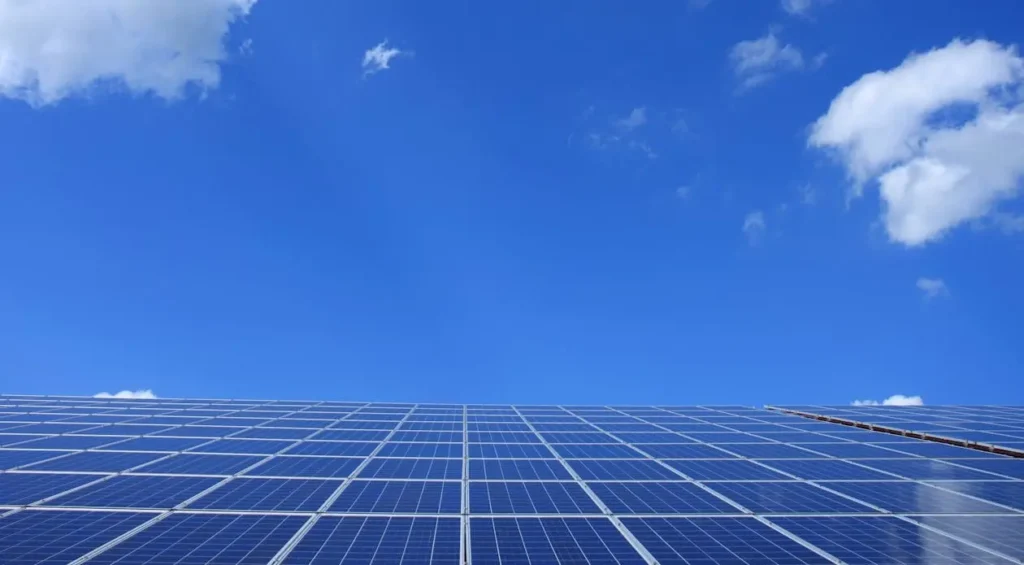
Most homes install solar PV (photovoltaic) panels. They convert daylight into electricity you can use in your home. The electricity your panels generate first powers what’s running in the house – and any surplus can be exported to the grid (and potentially paid for) or stored if you add a battery.
A typical system includes the panels, an inverter (which converts electricity into a form your home can use), and monitoring so you can see what you’re generating and using.
Is your home suitable for solar panels?
Solar panels work best when they get consistent daylight and minimal shading. A survey is the best way to confirm what’s possible, but these are the main factors.
Roof space
As a rough guide, a typical 3.5 kWp system covers around 10–20 m² of roof area and uses six to 12 panels, depending on panel wattage and roof layout. Source: Energy Saving Trust
Direction and shading
An unshaded, south-facing roof is often ideal, but east- and west-facing roofs can still work well – and your installer can design around shading and roof shape where possible. Source: Energy Saving Trust
When you use electricity
You’ll usually get the biggest benefit when you can use more of your solar electricity while it’s being generated – for example, by running appliances during the day, or combining solar panels with battery storage to use more of your own power later.
If you want a straightforward, personalised view of what your roof can take, you can speak to Livwarm about solar panels.
How much do solar panels cost in the UK?
Costs vary based on system size, roof access, whether scaffolding is needed and how complex the installation is. As a reference point, the Energy Saving Trust states domestic solar panel systems are generally around 3.5 kWp and cost around £6,100. Source: Energy Saving Trust
VAT on solar panels
HMRC guidance explains that installations of energy-saving materials are covered by relief between 1 May 2023 and 31 March 2027, and that from 1 April 2027 the relief reverts to the reduced rate (5%). Source: HMRC (VAT Notice 708/6)
Savings and payback – what to expect
Payback depends on how much of your solar electricity you use in the home, whether you’re paid for exports and where you live in the UK. The Energy Saving Trust provides typical payback periods (with export payments) that vary by location and occupancy pattern – for example, London: 10–12 years, Manchester: 11–13 years and Stirling: 12–15 years depending on when you’re home to use electricity. Source: Energy Saving Trust
| Location | Typical payback range (with export payments) |
|---|---|
| London | 10–12 years |
| Manchester | 11–13 years |
| Stirling | 12–15 years |
These figures are provided as typical examples and will differ home to home – a quick survey and design is the best way to understand your likely generation and savings for your property.
To get a tailored estimate (and explore options like battery storage), you can get a solar panel quote from Livwarm.
What is the Smart Export Guarantee (SEG)?
The Smart Export Guarantee is a government-backed initiative that requires some electricity suppliers (SEG Licensees) to pay eligible small-scale generators for low-carbon electricity exported to the National Grid. It launched on 1 January 2020. Source: Ofgem
Export rates and contract terms vary by supplier, so it’s worth comparing options once your system is installed and export metering is in place.
Do you need planning permission for solar panels?
The Planning Portal explains that installing solar panels and equipment on residential buildings and land may be ‘permitted development’ with no need to apply for planning permission – but there are important limits and conditions, and some homes (such as listed buildings or properties in conservation areas) may face extra restrictions. Source: Planning Portal
If there’s any doubt, a good installer will flag what to check before work starts – keeping the process simple and compliant.
A simple journey with Livwarm
Solar should feel straightforward. A typical journey looks like this:
- Initial chat – your goals, your roof and your typical electricity use
- Survey – confirm roof condition, shading, access and electrical set-up
- Design – panel layout, inverter choice and optional add-ons (like battery storage)
- Installation and handover – testing, commissioning and showing you how to monitor performance
If you’re ready to explore your options, visit Livwarm solar panels for a free, no-obligation quote.
Solar panel FAQs
Do solar panels work on cloudy days?
Yes – solar PV generates electricity from daylight, not just direct sunshine. Source: Energy Saving Trust
How many panels do I need?
It depends on your roof space, the panel wattage and how much electricity you want to generate. As a guide, the Energy Saving Trust notes a 3.5 kWp system typically uses six to 12 panels. Source: Energy Saving Trust
How long do solar panels take to pay back?
Typical payback varies by location and occupancy. The Energy Saving Trust provides examples ranging from around 9 years (Belfast, home all day) to 15 years (Stirling, out all day until 6pm), depending on circumstances. Source: Energy Saving Trust
Can I get paid for exporting electricity?
Potentially, yes – the Smart Export Guarantee requires certain suppliers to pay eligible generators for low-carbon electricity exported to the grid. Source: Ofgem
Will I need planning permission?
Often not, as solar installations may be permitted development – but there are limits and exceptions, so check if you’re unsure. Source: Planning Portal
Is there VAT relief for solar installations?
HMRC guidance sets out that relief applies to installations of energy-saving materials between 1 May 2023 and 31 March 2027, and from 1 April 2027 it reverts to the reduced rate (5%). Source: HMRC (VAT Notice 708/6)


